In the Spotlight
Tiohtià:ke (Montreal), 23 July 2026—The International Monarch Monitoring Blitz is just around the corner! From 31 July to 9 August 2026, we invite everyone across North America to head outside and search for monarch butterflies and milkweed plants.
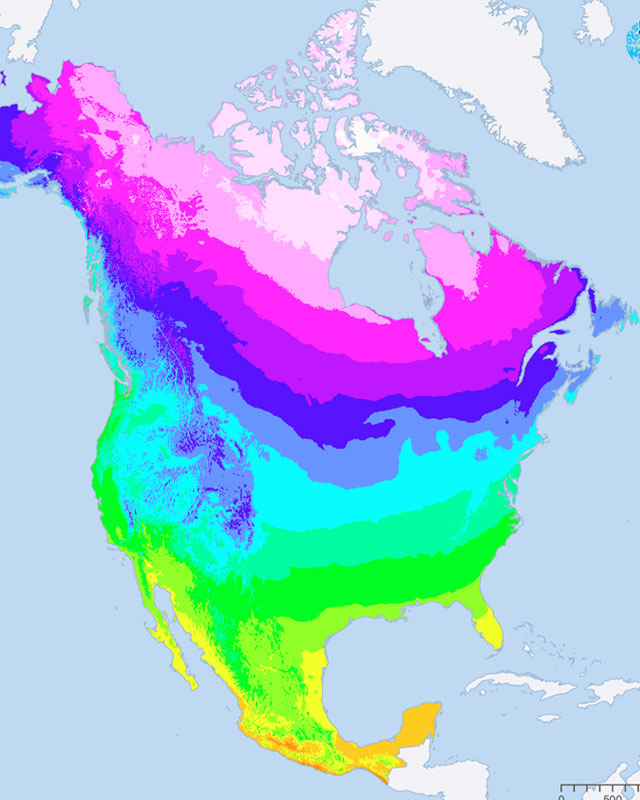
Supporting emissions reduction and helping communities adapt to extreme weather events
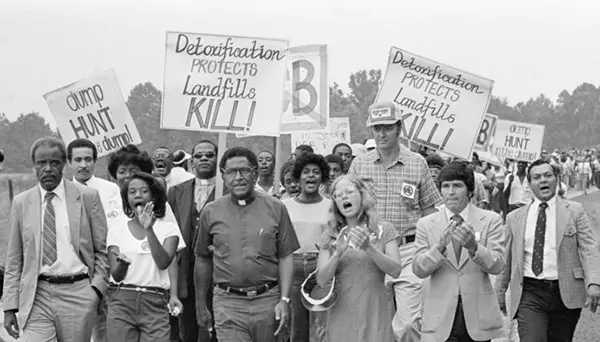
The pursuit of environmental justice (EJ) aims to address historical inequities, marginalization and discrimination in how environmental benefits and burdens are enjoyed or suffered by certain communities.
Working with communities to conserve and restore North America's terrestrial and marine ecosystems and priority species
Supporting enforcement and compliance with domestic environmental law and with multilateral environmental agreements
Advancing the sustainability of our economic activities and life choices by identifying and fostering alternatives that effectively integrate the environmental, social and economic dimensions for a just and resilient North America. Our work is organized around four main areas:
Promoting clean air, water and land through prevention, reductions, and sound management of pollutant releases, toxic chemicals and hazardous waste
Over the years, the CEC has been committed to youth engagement and the efforts supported have provided youth with opportunities to raise awareness, provide tangible, sustainable, and innovative solutions for environmental issues in their communities, and influence CEC’s strategies, projects, and initiatives.
The Commission for Environmental Cooperation (CEC) recognizes the essential role that Indigenous Peoples and local communities play in environmental stewardship across Turtle Island, Madre Tierra, also known as North America.
The private sector plays a critical role in driving economic prosperity, innovation and sustainable development.
Featured Project
The CEC Council has acknowledged the importance to further build upon the success of past CEC FLW projects, and continue to demonstrate CEC leadership and visibility to support FLW reduction in North America. Given this, the CEC continues its work on a new project with a focus on developing new...
Featured Publication
Factual Record Regarding Submission SEM-21-002
This factual record addresses the assertions contained in submission SEM-21-001 (Vaquita Porpoise) concerning alleged failures to effectively enforce the General Wildlife Act (Ley General de Vida Silvestre—LGVS) and its regulation (the “LGVS Regulation”), and various administrative orders aimed at protecting the vaquita (Phocoena sinus), a species that is critically endangered due to the direct impacts of illegally fishing totoaba (Totoaba macdonaldi) in Mexico’s Upper Gulf of California (UGC). In addition to a summary of the response from the Government of Mexico (“the Party”), the factual record presents the information obtained by the Secretariat in the course of its preparation, including information about measures taken by the Party to address the issues raised in the submission.
LGVS Article 55 provides that any import, export, or re-export of specimens, parts, and derivatives of wild species included in the Convention on International Trade in Endangered Species of Wild Fauna and Flora (CITES) must adhere to CITES, the LGVS, and any provisions flowing from them. Article 56 of the LGVS Regulation provides that any import, export, or re-export of biological material from species included in CITES must also adhere to the Convention. Both the vaquita and the totoaba are listed in CITES Appendix I, meaning that international trade in specimens of both species should be subject to particularly strict regulation. The “1975 Totoaba Fishing Ban” was promulgated in view of the declining population of totoaba and the special vulnerability of the species to commercial and sport fishing, given its limited area of distribution. The “2020 Gillnets Order” permanently bans all gillnets within a circumscribed area comprising the Zero Tolerance Area (Z0) and the Vaquita Refuge Area (VRA).
We conduct research, provide tools and training, and provide a unique space for decision-makers and the public to engage on environmental policy issues affecting the North American region.